You better, you better, you bet!

Good morning Tash Appreciators,

I was talking to a fellow Appreciator about how I couldn’t think of anything to write this week. Her one bit of advice was: “just don’t make it about Valentine’s Day.” The thing is, that is exactly what this week’s TF is going to be about.

TashFriday14214

I suspect that many of you will not be fans of Valentine’s Day. The usual complaint about that it’s a creation of the American greetings card industry. After a bit of reading, it’s clear that’s not the case. It apparently dates back to an early Christian festival celebration of Saint Valentinus. These days, it is far less “Americanised” than Halloween or Christmas.

I don’t mind there being a day set aside for people to show their affection for one another. My complaint is that, if you engage with Valentine’s Day, all you can do is meet expectations or be excruciatingly unoriginal.

If you’re in a relationship, you either have to make some kind of gesture (which, ordinarily, would be appreciated but on Valentine’s Day is seen as normal) or you do nothing and run the risk of inflicting upset upon your significant other.

The Who summed up this sorry state of affairs in “You Better You Bet” when Roger Daltrey sings:

“When I say I love you, you say ‘you better’

You better, you better, you bet!”

If you’re single, you might get texts from your single pals with dubious rallying cries lifted from Beyoncé songs (“all the single ladies” springs to mind). Worse still, you might receive condescending head tilts from those smug folk who offer consolation in the form of platitudes: “plenty of fish in the sea” etc.

At least all of us are in the same boat in a couple of respects: dating companies will be doing their utmost to buy our email addresses from any source – legitimate or otherwise – and will then endeavour to clog our inboxes with offers of free trials of their websites. Not only that, none of us will be able to go out for food as every restaurant will have bumped their prices up by a minimum of 50%.

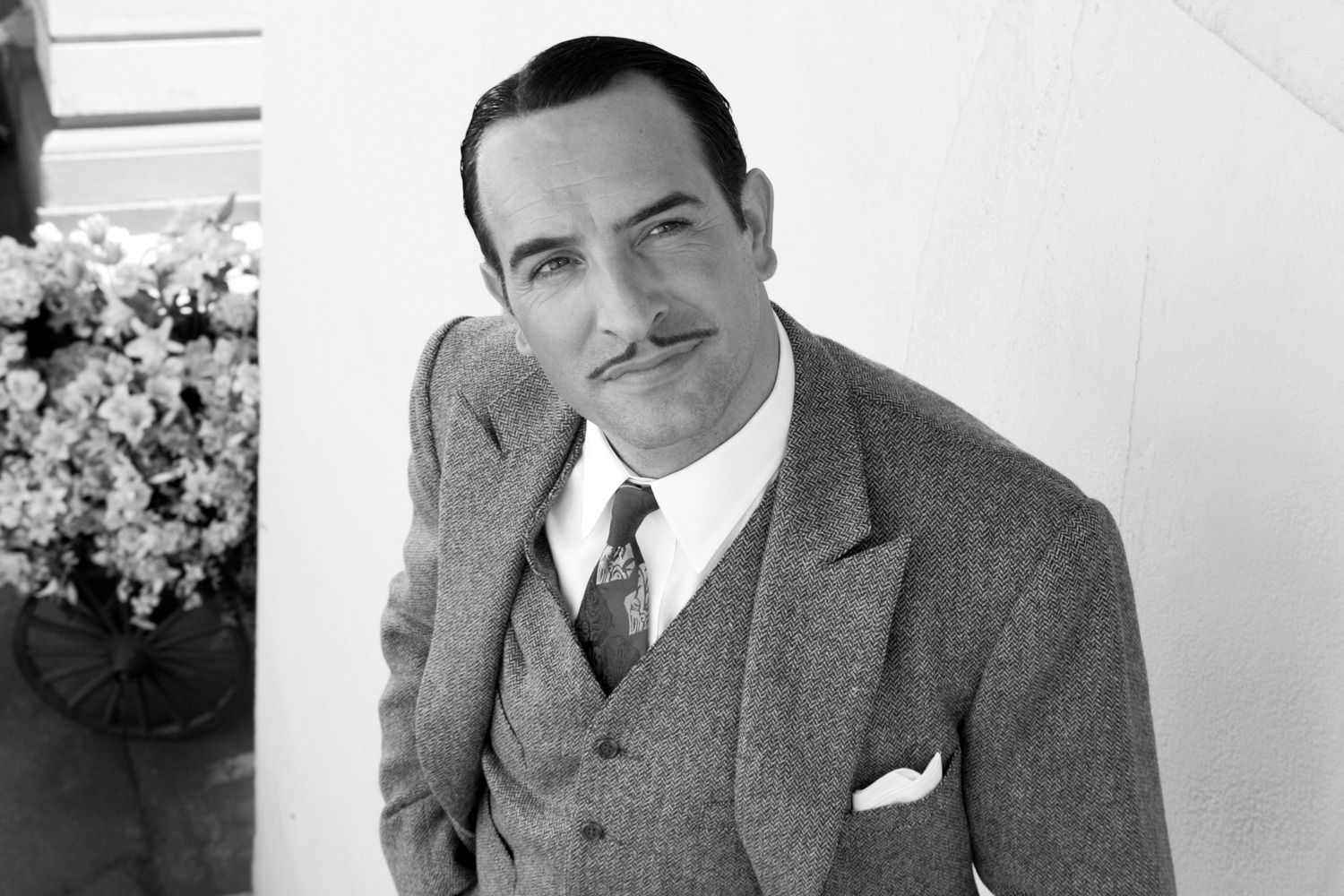
There is, however, one group of people who won’t give Valentine’s Day a second thought: men with moustaches. Some of these men – the ones who really know how to rock their Tash – transcend the single v. relationship dynamic of Valentine’s Day because everyone appreciates them. Therefore, Valentine’s Day for them is just like any other. Here are some classic of examples of the sort of chaps I mean:

Clark Gable
Clark Gable


Jean Dujardin

Jean Dujardin


Errol Flynn

Errol Flynn

Have a great weekend folks!

What’s next?

Buenos Dias Tash Appreciators,

For one reason or another, targets have been on my mind this week.  For example, scenes like this got me thinking:

I use a train service which runs every 15 minutes. However, a couple of times this week (this very moment being one of them) the train I have been waiting for has been 20 minutes late. 

Thankfully, the train company has a helpful app to keep me up-to-date with developments. Strangely, the app says the train has been cancelled but the board on the platform says it’s just delayed and the announcer says the train “is approaching the platform”. The station announcer is clearly lying. The train I was initially waiting for isn’t approaching the platform and it’s not delayed. What’s really happening is that my train has been cancelled and the train which was due after it is 5 minutes late. 

The reason for this lie is that the rail company has targets to meet and if it fails to meet those targets the company will be fined. The reason there are targets is that when the rail system was privatised, consumers were told that strict standards would be imposed upon the companies who won the rights to operate the routes. It’s therefore in the operator’s interest to claim that the train is late rather than admit what’s really going on. 

Last year, this particular operator was fined £374,000 for failing to meet the required standards of service. When this was announced, both the operator and the Government hailed it as a triumph: this was the third drop in fines in a row and standards must therefore be getting higher. 

The problem is that there’s a disconnect between the result of the target being hit and what the customer actually wants: a service that runs on time, has plenty of seats and doesn’t cost the earth.  I don’t blame the operator; they’re hitting their targets. The blame, in my opinion, rests with the Government in setting targets that can be so easily manipulated.  

If you want a target which has some meaning, you have to set parameters which are appropriate for what you’re measuring. For example, spring will see many of you working out your annual targets for the coming year. If you’re in sales, your target will be to sell X number of products; if you’re in manufacturing, your target will be to make Y number of products; and if you’re in the service industry, your target will be to deliver Z services. 

But that’s too simplistic. The target also has to be realistic and balanced. To continue with trains, I don’t expect every train to be on time. The weather is poor today so I understand that the train might be late. The target therefore can’t just be about delivering the service. Other factors have to be considered too, such as whether the customer is happy and whether the service is of a decent quality. Targets shouldn’t be just figures.

Even though I use this train service five days a week for about 46 weeks of the year, I’ve never been asked what I think about it . Surely, it’s the customers’ views that should be the ultimate barometer of whether it’s a good service or not.  I think that’s something that gets lost these days; particularly when companies and the public sector are struggling for cash. After all, if the customer isn’t happy, what are we all doing?

To the Tash! A man who always hit his target and who always keeps his customers (“the poor”) happy: it’s Robin Hood:

Until next week…

Keep going!