If at first you don’t succeed

Good morning Tash Appreciators,

I had not intended to follow up on last week’s TF straight away but I had also not expected the reaction that I received. The people spoke and their answer was:
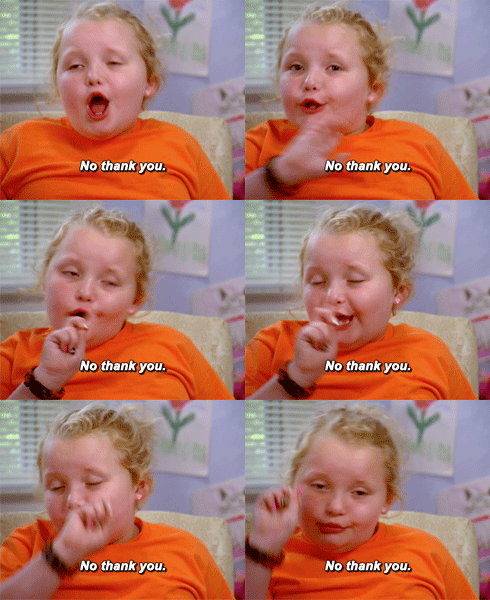
Tash Friday 11:4:14 3

Here are a few examples of the responses (I have paraphrased in places to take out some of the stronger language):

“Re TF, what you are doing is laudable but nationalism is not something that can be argued dispassionately. It’s a matter of faith. Your average nationalist cannot be shaken from the belief that he is right (he loses his ability to reason when he cedes his individualism to the “nation”). Folk lamenting the lack of debate are missing the point: nationalists cannot debate. They look for arguments supporting their prejudices (same as folk who deny global warming).”

“It’s a disingenuous debate and I’m saddened by your willingness to try to take the politics out of an inherently political debate. There is no independence on offer, stop pretending that there is.”

“I know you are trying to broaden it out but the issue of the day is whether we have an Independent Scotland or not. I don’t think your thing is impartial because it implicitly accepts the premise of Nationalism. You’ve been beaten in the dressing room.”

“This weeks TF is a real self indulgent effort…”

There were other comments too and I’m grateful to everyone who responded.

The point about faith is particularly interesting. In a world that is only able to operate thanks to logarithms and science, faith can be seen as a synonym for irrationality and as something that is unhelpful when it comes to decision-making.

I can see the merits in that point of view, but if our lives were ruled by logic, would it not be a terribly lonely and uneventful place? Would we risk heartbreak by entering into relationships with people who, at least at first, are strangers? Would we have children? Also, to what extent do we base our “logic” on notions that we don’t fully understand? For example, how many of us use modes of transport that rely on the internal combustion engine or aerodynamics without really knowing how or why they work? How many of us understand how and why modern medicine operates? These are all things I don’t understand but in which, I suppose, I have faith.

It’s also not accurate to say that only a “yes” vote is based on faith. A “no” vote will also involve faith; just a different kind. I also don’t accept that we can’t have a conversation which involves faith. I think that we need to tailor the way we talk to each other in order to take into account where folk are coming from.

To conclude, I don’t think that we should go into the voting booths on 18 September and make a decision based on faith alone. After all, we wouldn’t get on a plane if it’s wings looked a bit rickety and we wouldn’t take medical advice from a doctor who was drunk. The point I’m trying to make is that faith does have a part to play in the independence discussion.

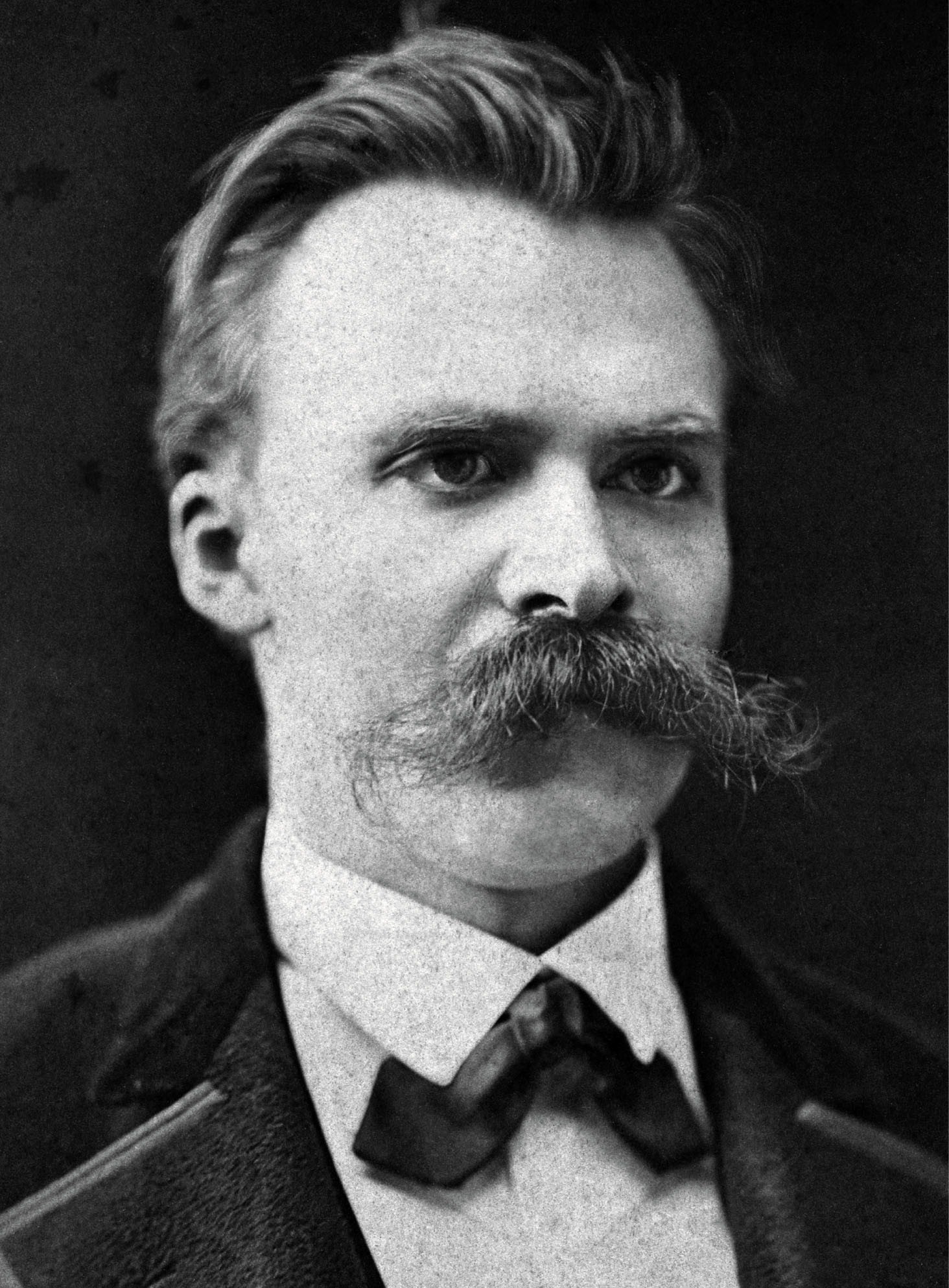
For the sake of offering all points of view (and to preempt this being thrown in my face), I’ll leave you with a contrary view from this week’s Tash: Friedrich Nietzsche

“Faith: not wanting to know what is true.”
Tash Friday 11:4:14 4

Have a great weekend folks!

What’s next?
People of Scotland, lend each other your ears

Good morning Tash Appreciators,

For once, the subject of this week’s TF is not a Tash-toting festival of humanity (although, of course, such a person will be included) but is a topic that will impact many of us and generations of Scots to come. This week, I’m talking about the referendum which will ask whether Scotland should be an independent country

I must say from the outset that I will not be offering my view in relation to the referendum. My aim this morning is to offer a way for us to have civil and constructive conversations about our hopes and fears for Scotland in the future. It’s important that we have these discussions now because the way in which we talk about the referendum will shape how we talk about Scotland from 19 September onwards.

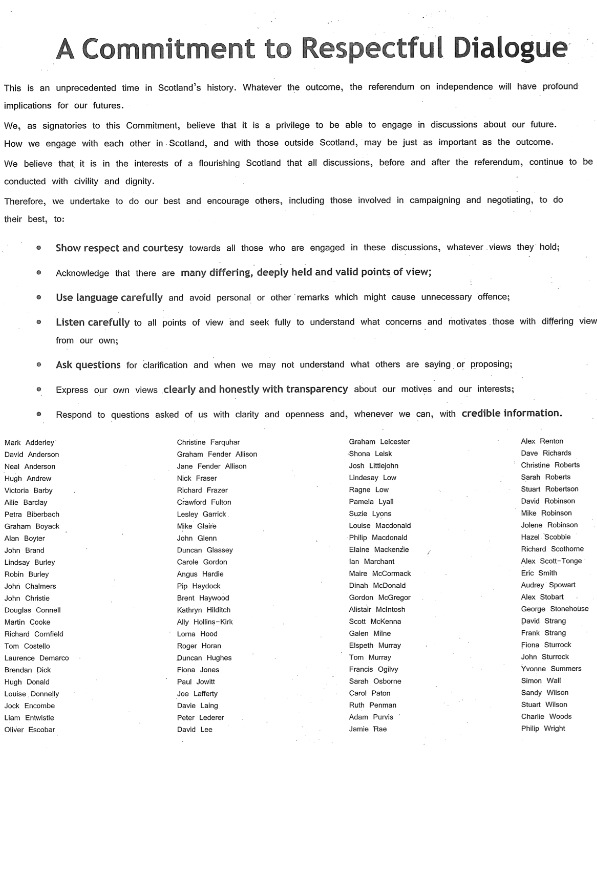
To start that process, I invite you to consider this Commitment to Respectful Dialogue.  Some of you may have seen this in The Herald and The Scotsman a couple of weeks ago, and many of you will recognise a few names amongst the signatories:

Tash Friday 4:4:14

A group called Collaborative Scotland presented the Commitment following a series of meetings which took place over the last 6 months or so. The meetings, which were chaired by John Sturrock QC (an internationally recognised facilitator of constructive discussions and negotiations), gave those who attended the chance to test the theory behind the Commitment. The meetings were specifically not an opportunity to debate the referendum but were an opportunity to talk about how we have conversations about the future.

The magic of the process was that when the 50 of us sat down in groups to talk about our aspirations for Scotland, we discovered that the hopes and fears that we have in common are far more numerous than those that divide us. During our conversations, it was generally impossible to tell which way others would vote and, tellingly, that didn’t seem to matter.

So what does this have to do with you? Well, I know how many of you read TF every week and I suspect that many of you would find the conversations which I observed informative and inspiring. I also know that many of you are influential within your work/social circles and it strikes me that, together, we could spread the Commitment to a wider audience.

After all, on 18 September, we will be given the opportunity to shape Scotland’s path for centuries to come. We should take that opportunity to act as positively and constructively as we can. For my part, I’m planning to help host a conversation in Glasgow, and if there’s an appetite for it, I will invite all of you to come along.

I’ll therefore leave you with a link to the Collaboration Scotland website, where you can sign up to receive further information and offer your support to the Protocol; a request that anyone who might be interested in coming along for an evening of conversation in Glasgow sends me an email; and a quote from this week’s Tash, Mahatma Ghandi:

“We may have our private opinions but why should they be a bar to the meeting of hearts?” 

Tash Friday 4:4:14 2

It seems that every week that passes, this question becomes more important: what’s next?

Have a great weekend folks!